Modern Outbound Operator: Playbooks and Top 10 Tools (2026)
Learn what a Modern Outbound Operator is, how it drives predictable B2B SaaS pipeline, and the 10 best tools for 2026. See playbooks, pricing models, and ROI.

The world of B2B sales has changed. The old playbook of hiring armies of Sales Development Representatives (SDRs) to make hundreds of generic calls and send templated emails is broken. Today’s buyers are more informed, harder to reach, and have little patience for irrelevant outreach. This shift demands a new approach and a new type of expert: the modern outbound operator.
This isn’t just another term for an SDR agency. It represents a fundamental evolution from a labor based model to a technology leveraged, strategy first system for generating high quality pipeline. For B2B tech and SaaS companies, understanding this role is the key to building a predictable and efficient growth engine.
What is a Modern Outbound Operator?
A modern outbound operator is a strategic partner that builds and manages a technology-leveraged sales engine. Unlike traditional SDR agencies that focus on volume, a modern operator uses AI orchestration, signal-led prospecting (hiring, funding, or intent data), and automated deliverability systems to generate predictable revenue. In 2026, the goal has shifted from "more activities" to "higher signal" and micro-latency responses, often reducing lead-to-opportunity costs by 40–60%.
The Modern Outbound Operator: A New Breed of Sales Partner
A modern outbound operator is a strategic partner who designs, builds, and runs your entire outbound system. Unlike classic outsourced services that simply provide junior SDRs to execute basic tasks, this role combines high level strategy with hands on execution, using technology and AI to create leverage.
Classic Outbound Services vs. The Modern Operator
Think of the traditional SDR agency model. You pay for headcount, and you get a team of junior reps who are often disconnected from your core strategy. They focus on activity metrics like calls dialed and emails sent.
A modern outbound operator flips this model on its head. Instead of selling people, they deliver a complete system. This operator is part consultant, part technologist, and part hands on executor. They plug directly into your go to market (GTM) team, focusing on outcomes like qualified meetings and revenue pipeline, not just activity. This is a crucial distinction from passive inbound marketing, as the operator proactively targets and engages your ideal future customers before they even begin their buying journey. Many companies find that working with a founder led partner like SalesPipe provides the accountability and expertise that traditional agencies lack.
Traditional SDR Agency vs. Modern Outbound Operator (2026)
| Feature | Traditional SDR Agency | Modern Outbound Operator |
| Primary KPI | Activity Volume (Calls/Emails) | Sales Qualified Pipeline & ROI |
| Strategy | Broad ICP (Industry/Size) | Signal-Led (Intent/Job Changes) |
| Technology | Basic CRM & Email Sequences | AI Orchestration & Data Enrichment |
| Staffing | Junior-heavy (High Churn) | Senior-led (Founder or Fractional) |
| Personalization | Template-based ({{first_name}}) | AI-driven Deep Personalization |
| Outcome | Brand Noise | Repeatable Revenue Asset |
Why Proactive Outbound Still Wins in 2026 for B2B SaaS
Despite claims that “ cold outreach is dead,” proactive outbound remains one of the most effective ways to generate predictable revenue for B2B companies. The truth is, bad outbound is dead. Generic, untargeted, and poorly executed campaigns no longer work.
A modern outbound operator understands this. They know that a well crafted, relevant message sent to the right person at the right time is incredibly powerful. For many B2B companies, outbound is the only scalable way to engage high value accounts that may not discover them through inbound channels alone. A significant number of buyers, over 70% in some studies, still prefer email for initial business contact. By building a sophisticated outbound engine, you take control of your pipeline instead of waiting for leads to come to you.
Core Strategies of a Modern Outbound Operator in 2026
The success of a modern outbound operator hinges on a few core strategies that set them apart from traditional methods.
Technology as Leverage: They use AI and automation not just to send more emails, but to conduct better research, personalize messaging at scale, and run complex multi channel sequences efficiently.
Deep Specialization: Instead of being generalists, they possess deep expertise in critical areas like Ideal Customer Profile (ICP) development, messaging that resonates with specific personas, and the technical nuances of email deliverability.
System Building: The goal isn’t just to run a single campaign. A modern outbound operator builds a repeatable, scalable, and predictable engine for pipeline generation that becomes a permanent asset for the company.
Integrated Partnership: They act as a fractional leader, embedding themselves within your team. This close collaboration ensures alignment and allows for much faster iteration and optimization than a siloed agency could ever achieve.
GTM Foundations: ICP, Messaging, Data, and Compliance
A successful outbound program is built on a solid foundation. A modern outbound operator spends significant time here before ever sending a single message.
Nailing the Ideal Customer Profile (ICP)
This goes far beyond company size and industry. A modern ICP involves understanding the specific pain points, goals, and technical environments of your best customers. The operator digs deep to identify the trigger events and attributes that signal a prospect is a perfect fit, ensuring no effort is wasted on poor fit leads.
Crafting Messaging That Converts
Generic templates get deleted. A modern outbound operator crafts messaging that is rooted in research and empathy. They map the prospect’s pain points directly to the solution’s value. Studies consistently show that personalized emails dramatically outperform generic ones, sometimes improving reply rates by 100% or more.
Ensuring Data Quality and Compliance
High quality, accurate data is the fuel for any outbound engine. The operator ensures prospect lists are clean, verified, and enriched. They also navigate the complexities of compliance with regulations like CAN SPAM and GDPR, protecting your company’s reputation and ensuring your messages land in the inbox.
Execution Playbooks: Personalization at Scale and Channel Mix
With a strong foundation in place, the modern outbound operator executes with precision and intelligence. They utilize sophisticated playbooks that combine technology with smart psychology.
The strategy involves using AI to find unique details about a prospect or their company, allowing for relevant personalization in every single outreach. This is what “personalization at scale” truly means. It’s not just about inserting {{first_name}}.
Furthermore, they employ a multi channel approach, primarily using cold email and LinkedIn. A coordinated sequence across multiple channels has been shown to increase response rates significantly compared to relying on a single channel. The key is knowing which channel to use for which message and how to create a cohesive conversation that guides the prospect toward a meeting.
The Modern Operator’s Core Tech Infrastructure
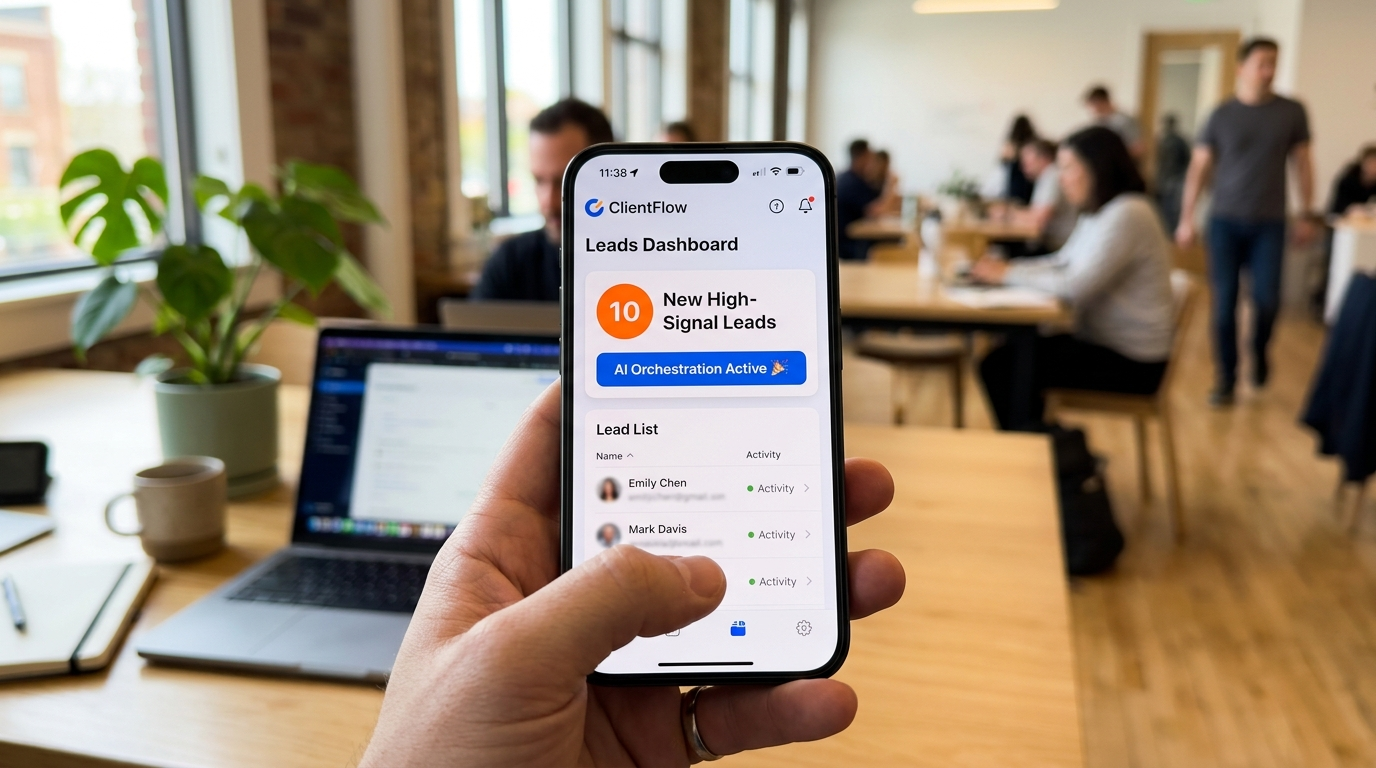
To compete in 2026, operators no longer just "buy a list." They manage a sophisticated stack:
AI Data Orchestrators (e.g., Clay): For waterfall enrichment and hyper-personalized messaging.
Automated Deliverability Systems: Monitoring sender reputation and rotating domains to avoid the 2026 "Spam Apocalypse."
Signal Monitoring: Tracking "triggers" like new executive hires or technical debt signals before reaching out.
AI Agents: Managing low-level follow-ups to keep human reps focused on "High-Value Conversations."
Top 10 modern outbound operator tools
Beyond understanding the methodology, implementing a successful campaign often requires the right external expertise to manage the heavy lifting. The following list highlights ten modern outbound operator tools that excel at bridging the gap between raw data and closed deals through specialized outreach. These partners are recognized for their ability to integrate seamlessly with your internal teams while driving consistent, high-quality results.
1. SalesPipe
SalesPipe replaces bulky, junior-heavy agencies with a founder-led outbound engine that’s hands-on from day one. Working directly with founder Rob Whitley, you get senior strategy plus AI-driven execution across ICP definition, list building, multichannel messaging, and airtight deliverability. It plugs neatly into your existing GTM stack, automates research and personalization across email and LinkedIn prospecting, and moves fast without sacrificing brand safety or quality.
Ideal fit: B2B SaaS startups needing senior, founder-led outbound execution to scale pipeline without hiring traditional SDR teams.
Why operators choose it:
Direct founder execution for strategic alignment and faster iteration than junior-led agencies.
AI-powered research and personalization that scales without adding headcount.
End-to-end domain setup and deliverability protections for consistent primary-inbox placement.
Pricing: Custom, scope-based engagements; typically month-to-month retainers following a successful, paid pilot.
2. SalesBread
SalesBread is a boutique shop built for speed: senior strategists define your ICP, handcraft copy, and run multichannel outreach to surface a steady drumbeat of qualified meetings. The promise is simple, manual, non-AI personalization that keeps your brand pristine while hitting inboxes reliably. With inbox monitoring and CRM sync included, The entire setup process takes 1 week from kick-off to launch. and sustain a reliable meeting cadence without long-term commitments.
Ideal fit: B2B founders and lean teams needing high-quality, senior-led multichannel outbound targeting active LinkedIn prospects with speed.
Why operators choose it:
Human-only CCQ personalization that reliably drives high reply and conversion rates.
LinkedIn + email sequencing designed to surface early wins within 48 hours.
Full inbox management and CRM synchronization for frictionless handoff to AEs.
Pricing: Starts at $3,000/month; includes a 20+ SQL guarantee and month-to-month flexibility.
3. Sopro
Sopro delivers a fully managed outbound engine that marries compliant data sourcing with coordinated email, LinkedIn, and ad campaigns. The team handles technical setup, sender authentication, and CRM sync, layering in buyer-intent signals and AI personalization to shorten time-to-value. The result: campaigns launch in weeks, performance is transparent, and your HubSpot or Salesforce stays clean and sales-ready.
Ideal fit: B2B SaaS and services in Western markets seeking a managed, multi-channel outbound engine.
Why operators choose it:
Continuously verified B2B data segmented by proprietary in-house algorithms.
Dedicated deliverability experts for domain warming and sender reputation protection.
Native CRM integrations with automated routing, response classification, and intent mapping.
Pricing: Starts around €3,400/month with bespoke scoping; no long-term contract required.
4. Belkins
Belkins is built for teams that want scale without chaos. They combine human-validated research with coordinated email, LinkedIn, and cold calling to book qualified meetings. They then back it up with calendar management and no-show recovery. Deliverability experts keep your domains healthy, while HubSpot-native reporting provides real-time visibility and confidence in the pipeline.
Ideal fit: B2B SaaS and service firms requiring full-service, multichannel outbound programs across North America and European markets.
Why operators choose it:
Specialized deliverability audits, warming, and content controls for inbox placement at scale.
Human-validated, ICP-aligned lists paired with sequenced, multichannel outreach.
Transparent, CRM-integrated reporting with advanced HubSpot automation and live dashboards.
Pricing: Retainers start at $5,000/month; often tied to 100 appointments annually; no free tier.
5. RevBoss
RevBoss blends a managed service with its proprietary platform to run LinkedIn and email programs that feel personal and brand-safe. Expert operators steer strategy and execution while the app orchestrates audience growth and AI workflows. CRM sync via Zapier keeps data clean and compliant, and weekly reporting analytics make performance and pipeline outcomes impossible to miss.
Ideal fit: Founder-led B2B SaaS teams seeking managed, multi-channel outbound programs run by experts on a proprietary platform.
Why operators choose it:
Managed LinkedIn audience building and sequencing via proprietary software.
Automated CRM routing and suppression via Zapier for hygiene and compliance.
Outcome-first reporting tracking engagement from first touch to booked meetings.
Pricing: Core systems start at $3,500/month; Full Stack $4,500/month; Coaching $2,000/month; month-to-month options available.
6. Operatix
For enterprise B2B tech, Operatix (now part of memoryBlue) deploys multilingual, multi-region SDR teams that slot directly into your pipeline. Research-led ABM programs mix calling, email, and social to open doors in competitive markets. With documented GDPR processes and client-aligned KPIs, the focus is rigor: repeatable pipeline, clean handoffs, and measurable revenue impact.
Ideal fit: Enterprise B2B tech vendors needing multilingual, multi-region outsourced SDR functions across competitive global markets.
Why operators choose it:
Global SDR scale across US, UK, and Singapore with 20+ languages supported.
Research-driven ABM combining coordinated calling, email, and social touches.
Strict GDPR compliance with KPI alignment and flexible performance incentives.
Pricing: Custom programs aligned to objectives; includes pipeline calculators and performance-based options.
7. Martal Group
Martal Group offers onshore fractional SDR and AE support that plugs straight into HubSpot or Salesforce. They blend AI-assisted targeting with human outreach across email, LinkedIn, and phone, all while enforcing strong data hygiene. Weekly KPI reviews keep momentum visible and ensure your team feels lift, not a lift and shift, during scale-up.
Ideal fit: Mid-market B2B SaaS companies needing onshore fractional SDR teams to execute multi-channel outbound and book meetings.
Why operators choose it:
North America- and Europe-based SDRs for quality discovery and local context.
CRM hygiene via SMTP-level suppressions and real-time, sync-ready prospect reports.
AI-powered targeting with disciplined A/B testing across email and LinkedIn.
Pricing: Custom retainers starting around $5,000/month; AI platform options and usage-based tiers available.
8. Growth Rhino
Growth Rhino is relentlessly focused on cold email for SaaS. The team builds precise lists, writes conversion-safe copy, and iterates fast with A/B tests, underpinned by diligent domain warm-ups and deliverability guardrails. They can also manage replies and advise on pipeline, giving startups and mid-market teams a transparent, scalable way to book global meetings.
Ideal fit: B2B SaaS startups and mid-market teams seeking managed cold email programs to book global qualified meetings.
Why operators choose it:
Deliverability-first setup with authentication and warm-up to hit primary inboxes.
SaaS-native personalization and multistep sequences improved through systematic A/B testing.
End-to-end operations: surgical list-building, on-brand copy, and expert reply management.
Pricing: Monthly retainers start at $2,000; scales with scope and seat volume limits.
9. CIENCE
CIENCE unites its graph8 platform with SDR-as-a-service to run multi-channel programs end to end. Think enrichment, sequencing, and visitor deanonymization in a single workflow that stands up quickly. It’s a hybrid of software and people: automation where it helps, human oversight where it matters, and reporting that ties effort to meetings and pipeline.
Ideal fit: Growth-stage B2B SaaS teams requiring end-to-end, multi-channel outbound engines integrated with global SDR coverage and data.
Why operators choose it:
graph8 platform fuses intent, enrichment, and precise visitor deanonymization.
Rapid 14-day implementation with domain authentication and system configuration.
AI-assisted SDR workflows, transparent reporting, and reliable CRM synchronization.
Pricing: Platform from $499/month; managed services and SDR staffing priced additionally.
10. Beanstalk Consulting
Beanstalk builds the outbound machine and then hands you the keys. Using Clay-driven enrichment plus multichannel outreach (email, LinkedIn, SDR calling), they stand up programs in 2–3 weeks. Their ScaledMail infrastructure is engineered for inbox placement even at extreme volumes, and every domain, playbook, and dataset is transferred so your team can run independently.
Ideal fit: Seed–Series B SaaS teams needing hands-on operators to build multi-channel outbound systems with full asset transfer.
Why operators choose it:
Clay-certified enrichment and persona-based ABX mapping for pinpoint accuracy.
Full transfer of domains, data, and playbooks for long-term in-house ownership.
Pricing: Retainers start at $4,000/month; performance-linked options and no long-term contracts.
Choosing a Modern Outbound Operator: Buying Criteria and Proof
When evaluating a partner, you need to look beyond vanity metrics. Here’s what truly matters:
Who is doing the work? Are you getting direct access to a senior expert, or is your account being passed to a junior employee? A founder led model ensures accountability and a higher level of strategic thinking.
Do they build systems or just run campaigns? Look for a partner who helps you build a long term GTM asset, including the technical infrastructure and playbooks.
How do they measure success? The focus should be on qualified pipeline and revenue impact, not just appointments set.
What is their expertise in deliverability? Ask them about domain warming, inbox configuration, and how they protect your sending reputation. This technical skill is a major differentiator for a top tier modern outbound operator.
A true partner will operate as an extension of your team. For B2B companies looking for this level of integration, exploring a founder-led GTM operator can be a transformative step.
Pricing Models and ROI: How Modern Operators Price and Deliver Value
The pricing model often reveals the philosophy of the provider.
Legacy Models: Pricing per SDR seat or per appointment can create misaligned incentives, rewarding volume over quality.
Modern Models: Fixed fee retainers or scope based projects are more common. This structure aligns the operator with your long term success, as they are paid to build a sustainable system, not just hit a monthly activity quota.
When evaluating ROI, consider the total cost of alternatives. The average cost to hire, train, and fully ramp an in-house Sales Development Representative (SDR) can easily exceed six figures in the first year, with no guarantee of success. A modern outbound operator provides senior level expertise and a fully managed system for a fraction of that cost, delivering a faster path to predictable pipeline.
Common Outbound Mistakes (And How a Modern Operator Avoids Them)
Many outbound programs fail for predictable reasons. A modern outbound operator is valuable precisely because they know how to avoid these common pitfalls:
Vague ICP: Targeting everyone means you resonate with no one.
Generic Messaging: Focusing on your company’s features instead of the prospect’s problems.
Ignoring Deliverability: Sending from a primary domain without proper warming and technical setup. This can lead to a damaged sender reputation that is difficult to repair.
Inconsistent Follow up: Giving up after one or two attempts.
Poor Data Hygiene: Using outdated or inaccurate contact information, leading to high bounce rates.
Measurement and Governance: Beyond Activity Metrics to Revenue Impact
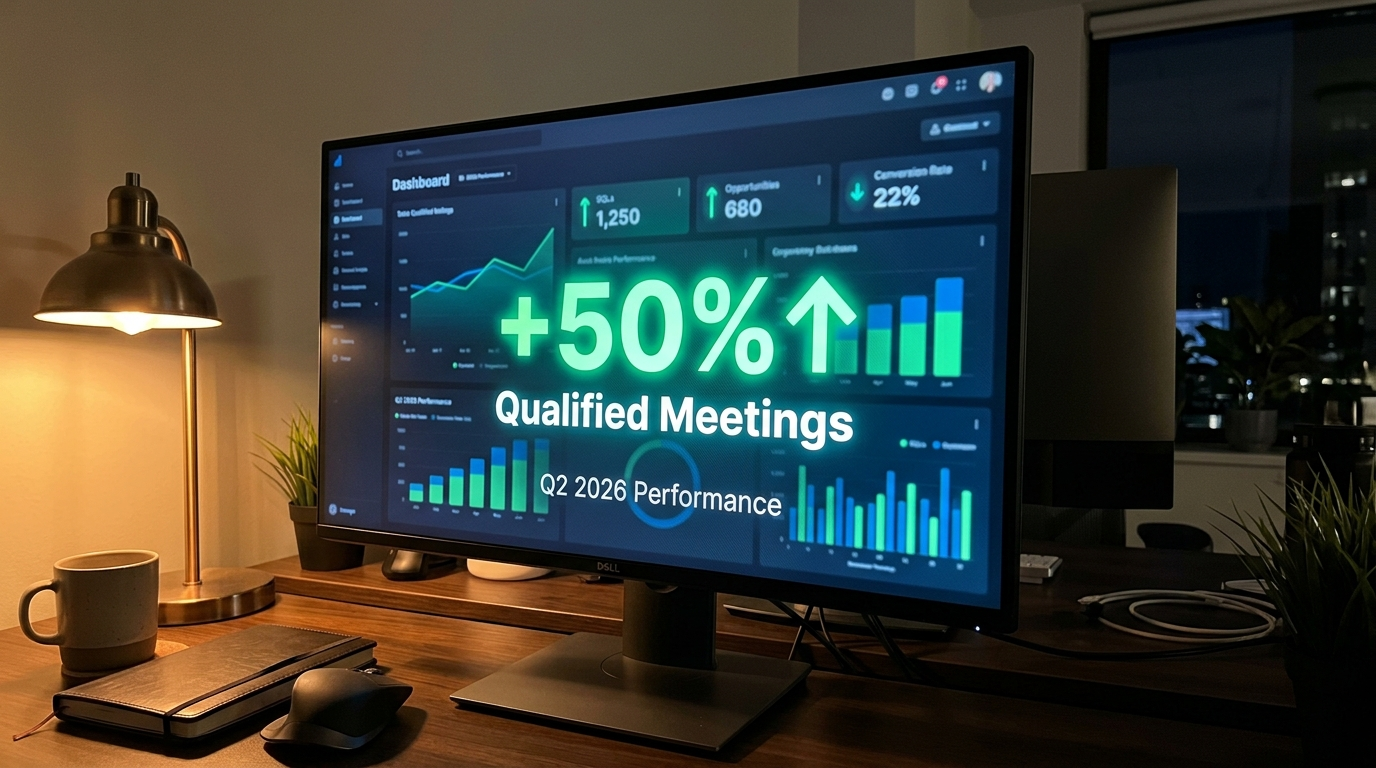
You can’t improve what you don’t measure. A modern outbound operator provides transparent reporting that connects their work directly to business outcomes.
While leading indicators like open rates, click rates, and positive reply rates are important for campaign optimization, the ultimate measures of success are lagging indicators. These are the metrics that matter to the C suite:
Number of Sales Qualified Meetings
Pipeline Value Generated
Conversion Rate from Meeting to Opportunity
Ultimately, Closed Won Revenue
An effective operator builds a dashboard that clearly tracks progress from initial outreach to a closed deal, demonstrating clear ROI.
Implementation Roadmap: From Pilot to Repeatable Engine
Engaging a modern outbound operator is a process, not a one time transaction. It typically follows a clear roadmap.
Phase 1 (Foundation & Pilot): The first month is dedicated to deep discovery, ICP refinement, technical infrastructure setup (domains, inboxes, warming), and launching initial pilot campaigns to gather data.
Phase 2 (Iterate & Optimize): Based on the results of the pilot, months two and three are focused on doubling down on what works. This involves refining messaging, testing new angles, and optimizing targeting for higher reply rates.
Phase 3 (Scale & Expand): Once the formula is proven, the focus shifts to scaling the program to create a predictable and repeatable flow of qualified meetings month after month.
This phased approach minimizes risk and ensures the outbound engine is built on a foundation of real world data. Companies looking to accelerate this journey often seek out an SDR agency alternative that specializes in this strategic, system based approach.
Conclusion: Build a Predictable Outbound System with a Modern Operator
The era of brute force outbound is over. To succeed in 2026 and beyond, B2B companies need a smarter, more efficient, and more strategic approach. The modern outbound operator represents this new paradigm. By combining deep strategic expertise with AI powered execution, they build predictable pipeline engines that drive sustainable growth. They are not just vendors; they are true GTM partners.
Ready to build an outbound engine that actually drives revenue? See how a founder-led approach can make the difference, then apply to work with SalesPipe.