Work Directly With Outbound Founder: 2026 Pipeline Playbook
Learn why you should work directly with outbound founder to build a predictable B2B pipeline—ICP, deliverability, AI SDRs, and outreach. Get the 2026 playbook.

Building a predictable B2B sales pipeline is one of the toughest challenges for any growing company. You can hire junior sales development representatives (SDRs) and hope they figure it out, or you can sign a big check to a traditional agency and hope they deliver. But there’s a third, more effective path: you can work directly with outbound founder.
This approach combines senior level strategy with hands on, in the trenches execution. It’s about partnering with an expert who has built outbound systems from the ground up and can apply that hard won knowledge directly to your business. This guide covers the entire outbound playbook, from high level strategy to the nitty gritty technical details, and explains why having a founder at the helm makes all the difference.
The 2026 Outbound Pipeline Playbook: Key Takeaways
To build a predictable B2B pipeline in 2026, companies must shift from high-volume "spam" to a Founder-Led Outbound model. Success relies on:
Technical Authority: Multi-domain infrastructure with 100% SPF/DKIM/DMARC compliance.
AI-Human Hybrid: Using AI for prospect research while maintaining human-to-human (Founder) messaging.
Quality over Quantity: Focusing on a "Small TAM" with hyper-personalized outreach rather than mass lists.
Outcome: Direct-to-founder models typically reduce the 3.2-month SDR ramp-up time to zero and eliminate the $90,000+ overhead of junior hires.
Part 1: Nailing the Strategy Before You Send a Single Email
Great outbound doesn’t start with a list of 10,000 names. It starts with a rock solid foundation. When you work directly with outbound founder, you get a strategist who ensures this foundation is built to last.
The Power of a Founder Led Outbound Strategy
A founder led outbound strategy is an approach where a company’s founder, or a partner with a founder’s mindset, personally leads the sales development efforts. Instead of delegating to a junior team, the founder crafts the messaging, defines the targeting, and engages directly with the market. This is powerful because founders possess unique credibility and a deep understanding of the problem they solve. Research shows that 77% of respondents were more likely or much more likely to buy from a company whose values and mission are defined through CEO and executive leadership participation on social media. When a founder reaches out, it’s not just another sales pitch; it’s a peer to peer conversation.
Defining Your Ideal Customer Profile (ICP)
Before you can find your customers, you have to know exactly who they are. An Ideal Customer Profile, or ICP, is a detailed description of your perfect customer. It’s the blueprint for your entire go to market motion. Without a clear ICP, you’re just guessing. Companies with a well defined ICP see up to 36% higher conversion rates because they focus all their energy on prospects with the highest propensity to buy. An experienced outbound founder helps you analyze your best customers and codify those traits into a precise, actionable ICP—and ensures your team knows how to qualify B2B leads consistently.
Calculating Your Account TAM
Once you have your ICP, the next step is to calculate your Total Addressable Market (TAM) in terms of actual accounts. This isn’t a vanity metric for a pitch deck; it’s a practical number that dictates your entire strategy. It answers the question, “How many real companies fit our ICP?” Knowing whether your market has 200 accounts or 20,000 accounts changes everything. For a small TAM (under 200), you need a highly personalized, account based approach. For a large TAM, you can build more scaled systems. This is a mistake an experienced operator helps you avoid.
Positioning Before Outreach
How you frame your value is just as important as what you do. Positioning is the story you tell the market about who you are, what problem you solve, and why you’re different. A founder is uniquely equipped to nail this narrative because they live and breathe the company’s vision. They get direct market feedback from sales conversations and use it to sharpen the company’s message, ensuring it resonates with the ICP’s biggest pain points.
The In House vs. Agency Decision
Companies often feel stuck between two choices: building a costly in‑house SDR team or exploring outsourced sales development with a generic agency. Hiring an SDR can cost over $90,000 per year with benefits and overhead, and they take an average of 3.2 months to ramp up. Agencies promise speed but often lack deep product knowledge and strategic alignment.
This is why many businesses are choosing to work directly with outbound founder. A service like SalesPipe offers a third way, a hybrid model that gives you the senior expertise of an in house leader with the flexibility of an external partner. You get accountability and a high level of strategic thinking without the long term commitment and overhead of a full time hire.
| Feature | Junior In-House SDR | Traditional Agency | Outbound Founder Partner |
| Annual Cost | $90,000+ (Salary + Benefits) | $3k–$6k / month | Strategic Retainer |
| Ramp-up Time | 3.2 Months | 1 Month | Immediate |
| Strategy Source | Junior/Mid-level | Template-based | Founder/Senior Level |
| Tech Stack | Extra Expense | Included/Managed | Included/Optimized |
| Risk Level | High (Turnover) | Medium (Alignment) | Low (Partner ROI) |
Part 2: Building a Bulletproof Technical Foundation
Even the world’s best email is useless if it lands in the spam folder. A huge part of successful outbound is the technical infrastructure that ensures your messages get delivered. If you need a primer on the fundamentals, this cold outreach guide covers setup and best practices.
Multi Domain Email Infrastructure
To protect your primary business domain (yourcompany.com), it’s a best practice to use separate, similar domains (like yourcompany.co) for cold outreach. This is known as a multi domain email infrastructure. It isolates your cold emailing reputation from your day to day operational emails, so if one domain’s reputation is impacted, your main company communication isn’t affected.
SPF, DKIM, and DMARC Authentication
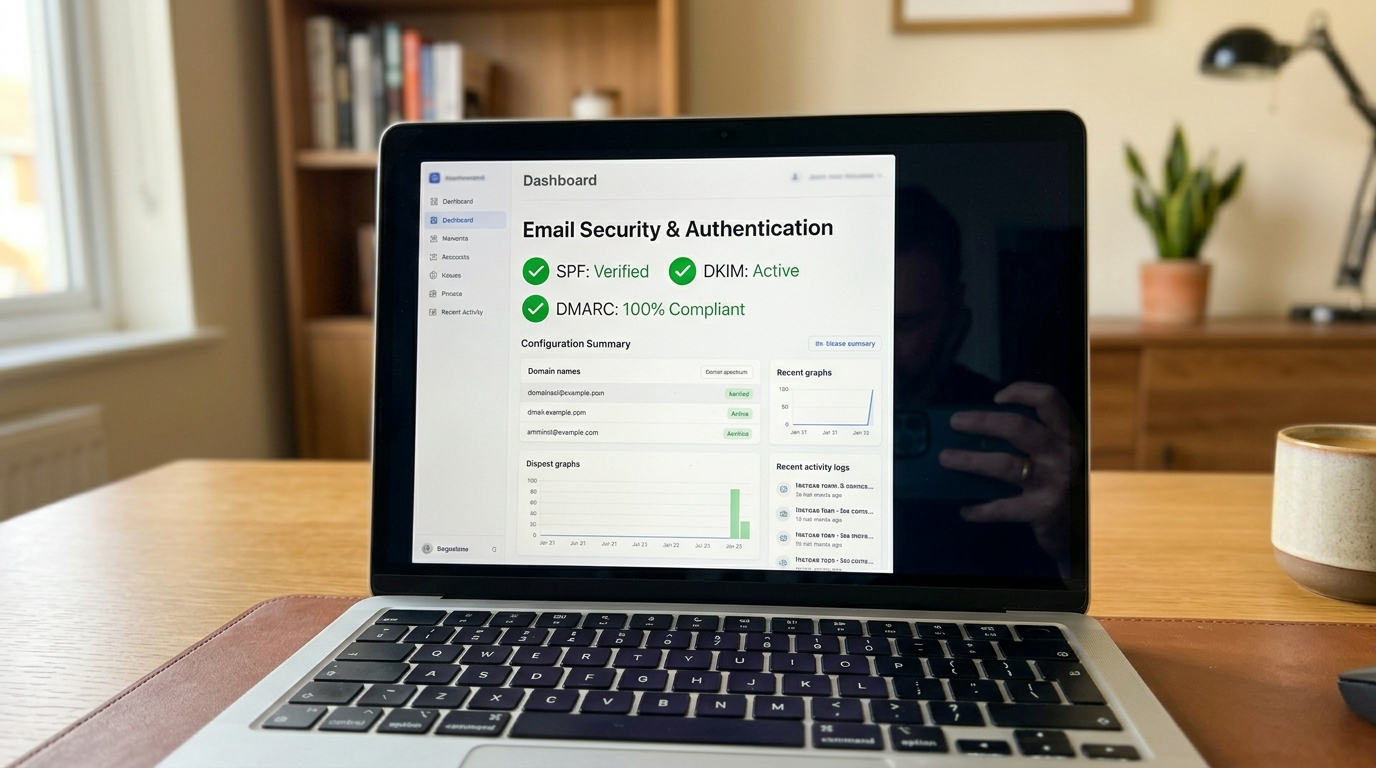
These three records are the technical backbone of email deliverability.
SPF (Sender Policy Framework) tells receiving email servers which IP addresses are authorized to send email on behalf of your domain.
DKIM (DomainKeys Identified Mail) adds a digital signature to your emails, proving they haven’t been tampered with.
DMARC (Domain based Message Authentication, Reporting, and Conformance) tells servers what to do with emails that fail SPF or DKIM checks (like quarantine them or reject them).
Properly authenticating your emails can reduce the likelihood of them being flagged as spam.
Domain Warm Up Protocol
You can’t just turn on a new domain and start blasting hundreds of emails. Email providers are suspicious of new domains that show sudden spikes in activity. A domain warm up protocol is the process of gradually increasing the sending volume from a new domain over several weeks. This process builds a positive sending reputation by teaching providers like Gmail and Outlook that your domain sends legitimate, engaging emails. Skipping this step is a recipe for landing in spam. A good warm up can take two to four weeks but is essential for long term success.
Deliverability Monitoring
Your work isn’t done after the initial setup. Deliverability monitoring is the ongoing process of tracking whether your emails are hitting the inbox. This involves watching metrics like bounce rates, open rates, and spam complaint rates. For example, Gmail enforces a very strict spam complaint threshold of around 0.3%. If you exceed that, your domain reputation will suffer. Continuous monitoring allows you to catch and fix issues before they kill your pipeline.
A Lightweight Outbound Tech Stack
You don’t need dozens of expensive tools to run effective outbound. A founder led approach prioritizes simplicity and ROI. A lightweight outbound tech stack might include:
A domain registrar and email provider (Google Workspace)
A sales engagement platform for sending sequences (like Instantly or Smartlead)
A data provider for finding contact information (like Apollo or ZoomInfo)
LinkedIn Sales Navigator for prospecting
The goal is to use a few powerful tools that integrate well, keeping costs and complexity low.
Part 3: A Smarter Approach to Prospecting and List Building
The quality of your prospect list determines the quality of your results. Garbage in, garbage out. A founder focused on efficiency knows that a small list of perfect fit prospects is far more valuable than a massive list of mediocre ones.
Hyper Personalized List Building
Instead of buying a generic list, hyper personalized list building is the art of creating a small, highly targeted list where each prospect is hand picked and researched. The goal is to find specific, personal details you can use to tailor your outreach. This focus on quality over quantity pays off. Expandi’s 2025 report found LinkedIn connection requests average a 29.61% approval rate. When you build a list this way, you’re not just collecting contacts; you’re collecting insights.
AI Assisted Prospect Research
Manually researching every prospect is a huge time sink. An SDR can spend 15 to 20 minutes on a single prospect, which means researching just 20 prospects can eat up five hours. This is where AI becomes a massive lever. AI assisted prospect research uses tools to automatically scrape LinkedIn profiles, company websites, and news articles to surface key insights in seconds. This frees up time to focus on crafting the perfect message. Leading teams are already using this.
Intent Signal Prospecting
Intent signals are clues that a prospect or company is actively looking for a solution like yours. These signals could include hiring for a specific role, visiting your pricing page, or engaging with a competitor’s content online. Intent signal prospecting involves using tools to monitor these behaviors and prioritizing outreach to prospects who are showing active buying intent. This allows you to reach the right person at the right time.
Allocating Research by Deal Size
Not all prospects are created equal. It doesn’t make sense to spend two hours researching a prospect for a $500 deal. Research effort allocation by deal size is a simple rule: the larger the potential deal, the more time you should invest in upfront research and personalization. For smaller deals, you can use lighter, templatized personalization. For six figure enterprise deals, you should conduct deep, account based research.
Part 4: Outreach That Actually Gets a Response
Once your strategy, tech, and lists are in place, it’s time for outreach. This is where a founder’s voice and authenticity shine, creating connections that a generic SDR template never could.
LinkedIn Warm Up and Outreach
Before you start sending connection requests, it’s wise to warm up your LinkedIn presence. This means engaging with your prospects’ content by liking and commenting on their posts. For a deeper playbook, see our guide to LinkedIn prospecting.
Avoid LinkedIn Automation: First, a crucial rule. Do not use unauthorized bots to mass send connection requests or messages. LinkedIn actively detects and restricts accounts that use automation. Users of these tools can experience account restrictions, which can cost over $1,000 in lost productivity per incident. It’s not worth the risk.
The Non Salesy Connection Request: Your connection request should not be a sales pitch. Keep it simple and genuine. Reference a mutual connection, a shared group, or a piece of content they created. The goal is simply to get them to accept.
Conversation First Direct Message: Once connected, your first message should aim to start a conversation, not book a meeting. Ask a thoughtful question or share a relevant insight. One sales expert converts 16-21% of LinkedIn DMs to meetings by switching to this conversational approach. The pitch can come later, after you’ve built some rapport.
The Email Fallback Channel: What if they don’t respond on LinkedIn? That’s where the email fallback channel comes in. You can send a follow up email that references your LinkedIn attempt. Multi‑channel outreach works because people have different communication preferences. If you’re expanding beyond email and LinkedIn, here are different types of sales channels worth testing. Prospects contacted through both LinkedIn and email are far more likely to engage.
Value First Personalized Cold Email
Your cold emails should lead with value, not with an ask. If you want examples and frameworks, this guide on how to write a cold email breaks down value‑first approaches. A value‑first email offers a helpful insight, a useful resource, or a relevant observation about the prospect’s business. This approach shows you’ve done your homework and you’re here to help, not just to sell.
Follow Up With Added Value
Most sales require follow up. But most people give up after just one or two. The key to effective follow up is to add new value with each message. Instead of just “bumping this up”, share a case study, a relevant article, or a helpful checklist. This turns your follow up from an annoyance into a welcome touchpoint.
Knowing When to Stop (The Sequence End Rule)
You can’t follow up forever. A sequence end rule is a predefined stopping point for your outreach cadence. After a certain number of touches (say, 8 to 12) across different channels with no response, it’s time to move the prospect to a long term nurture list and focus your energy elsewhere.
A Note on Community Led Go to Market
A powerful, complementary strategy often led by founders is a community led go to market approach. This involves building a community of users and fans around your product or industry. This approach can be incredibly efficient; customer acquisition costs have surged by over 222% in recent years, but Average community ROI is 6,469%.
Part 5: From Conversation to Customer
Getting a reply is just the beginning. How you handle the subsequent conversations determines whether a prospect becomes a customer.
The Consultative Demo
A consultative demo is not a feature tour. It’s a problem solving conversation. Instead of showing every button in your software, you focus only on the features that solve the prospect’s specific pain points. This approach builds trust and demonstrates that you understand their business. Given that 59% of buyers say sales reps don’t take the time to understand their business’ unique challenges and objectives, a consultative approach immediately sets you apart. This is a natural mode for founders, who are obsessed with solving customer problems.
The Professional Sales Deck
Your sales deck should be clean, professional, and focused on the customer’s journey. It should tell a clear story, moving from their current problem to the desired future state your solution enables. It’s a visual aid for your conversation, not a script to be read aloud.
AI SDR Usage: The Future of Sales Development
Artificial Intelligence is reshaping sales. AI SDRs are AI agents that can automate tasks like prospecting, research, and even initial outreach. The adoption of these tools is skyrocketing, with 88% of sales pros with AI agents say AI makes them more productive. While AI won’t replace strategic human connection, it acts as a powerful force multiplier. A founder led service can leverage AI to handle repetitive work, allowing the founder to focus on high value strategy and conversations. This is why a service where you can work directly with outbound founder who is also an AI operator is so powerful.
Part 6: Measuring What Matters
You can’t improve what you don’t measure. A data driven outbound system relies on clear metrics and forecasting.
Outbound Metric Tracking
Key metrics to track include:
Deliverability: Open rates, bounce rates, spam complaint rates.
Engagement: Reply rates, click through rates, meeting book rates.
Pipeline: Number of qualified opportunities created, pipeline value.
Pipeline Stage Definition
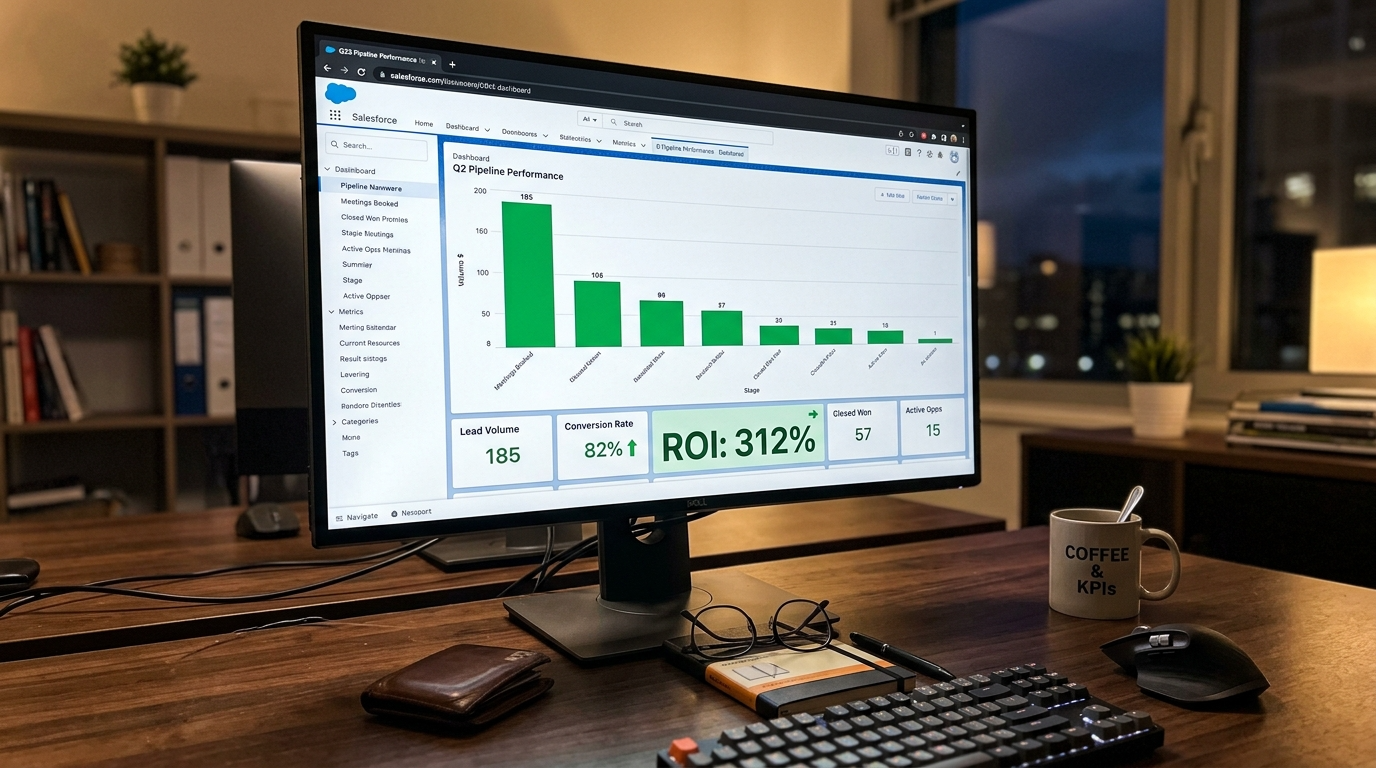
Clearly define the stages of your sales pipeline (e.g., New Lead, Responded, Meeting Booked, Opportunity Created, Closed Won). This provides a shared language for your team and allows for accurate tracking of a deal’s progress.
Weighted Pipeline Forecast
A weighted pipeline forecast applies a probability percentage to each pipeline stage. For example, deals in the “Meeting Booked” stage might have a 25% chance of closing, while those in the “Proposal Sent” stage might have a 60% chance. This gives you a more realistic prediction of future revenue than just looking at the total pipeline value.
Why Working Directly with an Outbound Founder Wins
Building a high performing outbound engine is complex. It requires a unique blend of strategy, technical expertise, creative messaging, and relentless execution. When you work directly with outbound founder, you are plugging this entire system directly into your business.
You get a partner who thinks like an owner, who can iterate on strategy in real time, and who carries the credibility to open doors with your most valuable prospects. It’s a modern, high leverage alternative to the old models of hiring or outsourcing. If you are serious about building a predictable revenue machine, it’s time to consider an approach that puts a founder at the heart of your growth.
Ready to see how a founder led outbound service can transform your pipeline? Learn more about SalesPipe’s approach.
Want pipeline instead of theory? SalesPipe is founder-led outbound run by Rob Whitley — targeting, messaging, and execution handled directly, with no junior SDRs in between. Tell us what you're building and we'll map out the outbound motion that fits.