How To Choose a Founder-Led Outbound Partner (2026)
Learn how to choose a Founder-Led Outbound Partner in 2026: evaluation criteria, KPIs, onboarding, and playbooks to scale pipeline. Read the guide now.
For many B2B startups, the founder is the first and best salesperson. They have the passion, the deep product knowledge, and the authority that prospects respect. This is the founder led outbound advantage. But founders can’t do it all forever. As the company grows, the need to scale pipeline becomes critical. This is where a specialized founder-led outbound partner comes in, acting as an extension of the founder to build a repeatable sales engine.
This guide explores everything you need to know about this powerful growth lever, from initial strategy to finding the right partner and scaling your efforts.
Takeaway: What is a Founder-Led Outbound Partner? A founder-led outbound partner is a specialized B2B sales agency that scales a founder's unique sales intuition into a repeatable process. Unlike traditional lead gen, they act as a fractional extension of the founder, using high-level industry expertise to book meetings with enterprise decision-makers. In 2026, the benchmark for a successful partnership is a 3% to 8% reply rate and an initial pipeline contribution within 4 to 8 weeks.
The Founder-Led Outbound Advantage
Founder led outbound is when a company’s founder personally drives sales outreach. This approach has a distinct advantage because a founder’s passion and deep knowledge often lead to higher engagement and conversion rates. For instance, one SaaS founder generated an incredible $540,000 in qualified pipeline in just 90 days by running their own outreach campaign.
Founders also tend to close deals at higher rates than their first sales hires. Buyers trust founders because they know they are dealing with the ultimate decision maker. This direct line of accountability is something a traditional seller cannot replicate by default. It’s a powerful go to market advantage that creates a direct feedback loop, allowing for rapid product iteration based on real objections.
How to Evaluate an Outbound Agency
When you’re ready to bring in help, choosing the right partner is crucial. A structured evaluation process can improve your success rate. Here’s a framework for evaluating a potential founder-led outbound partner:
Track Record (25% weight) : Look for success stories, client testimonials, and measurable results.
Industry Expertise (20% weight) : Do they deeply understand your vertical and Ideal Customer Profile (ICP)?
Technology Stack: Are they using modern tools and data capabilities to give you an edge?
Team Quality (15% weight) : Are you getting senior, experienced operators or junior reps with high turnover?
Process and Methodology: Ask to see their documented playbook and quality assurance checks.
Selecting the right partner can deliver initial results within four to eight weeks. Be wary of red flags like generic promises without data or a lack of transparency in reporting.
| Feature | Founder-Led Outbound Partner | Traditional Lead Gen Agency |
| Messaging Style | Personalized, visionary-led | Templated, volume-heavy |
| Primary Goal | Repeatable sales playbook | Raw lead volume |
| Sales Expertise | Senior/Fractional level | Junior SDR level |
| Integration | Deep CRM & Slack sync | Siloed/External |
| Best For | Series A & B Startups | High-volume commodity sales |
When to Transition to Scaled Outbound
Timing is everything. Moving from founder led sales to a scaled outbound motion is a critical moment for any startup. Move too soon, and you risk hiring salespeople into a chaotic process with no proven playbook. Many first sales hires at startups fail within their first year, often because a repeatable sales process wasn’t in place.
So, when is the right time? A good rule of thumb is to wait until the founder has personally closed at least 10-20 customers. Those initial wins are your training ground for refining the pitch and process. A great test is to ask, “If the founder stepped away from sales for 30 days, would revenue continue at a steady pace?” If the answer is no, you’re likely not ready. The goal is to hand off a documented, tested playbook so that new partners can build on your motion, not invent their own.
Founder-Led Outbound vs. Hiring an SDR
This is a classic early stage dilemma. Should the founder keep selling, or is it time to hire a Sales Development Representative (SDR)?
Initially, the founder led approach almost always wins. Founders bring credibility and domain expertise that a junior SDR can’t match, resulting in higher close rates. Prospects also pay more attention when the visionary behind the company reaches out directly.
Hiring an SDR adds capacity, but doing it too early is a costly mistake. It can cost commonly $110,000–$150,000 per year when fully loaded with little return if the strategy isn’t proven. In contrast, founder led outbound costs only your time and provides priceless market feedback. The best sequence is for the founder to act as the “chief sales officer” first. Once the process is consistently generating meetings, it’s time to bring in an SDR or a founder-led outbound partner to run a system that works.
A 30 Day Founder-Led Outbound Sprint
A 30 day outbound sprint is a focused, high intensity campaign to jumpstart your pipeline. It forces discipline and rapid learning without the commitment of a new hire.
Week 1: Foundation. Assign a single owner (usually the founder) and sharpen your Ideal Customer Profile (ICP). Your goal is to have a clean target list and draft messaging by the end of the week.
Weeks 2 & 3: Execution. Start with warm outreach (past customers, old leads) to build momentum. Block off dedicated time each week for pure prospecting. For example, a Tuesday morning from 9am to 1pm can be your high focus outbound ritual.
Week 4: Analysis and Optimization. Analyze what’s working. Which email templates are getting replies? What objections are you hearing? Use these insights to refine your approach. A typical sprint involves an email sequence of 12 to 15 touchpoints per account over the 30 days.
In one month, you can validate an outbound motion and generate real pipeline, creating a proven playbook to hand over later.
Defining Your Ideal Customer Profile (ICP)
Your Ideal Customer Profile is a description of the perfect company for your solution. A weak ICP is a recipe for wasted effort. A strong one should be so specific that it fits on an index card, containing just the three most unique and important characteristics. This focus is powerful; one company saw response rates increased from 2% to 11% by narrowing their ICP.
Your ICP should go beyond basic firmographics and include disqualifiers, or traits of companies you should not target. A great ICP should represent 20-40% of your total addressable market, allowing you to focus your energy on the best opportunities—and to qualify B2B leads with greater confidence.
Creating Your Outbound Messaging Playbook
A messaging playbook is your guide to communicating with prospects. It includes email templates, call scripts, and answers to common objections, ensuring a consistent and compelling story.
Effective messaging is concise, personalized, and persistent. For cold emails, aim for a length of 50 to 150 words. Personalization is also key. Campaigns with heavy personalization can see 32.7% more replies. For instance, a founder who referenced a prospect’s job posting in a cold email achieved a 4.4% reply rate.
Persistence matters, too. It takes an average of 8 touchpoints to get an initial meeting (or other conversion) with a new prospect, yet most reps give up after only a few attempts. A good playbook documents a sequence of touches that balances persistence with professionalism. If you need help crafting a playbook that gets results, a hands on partner like SalesPipe can build one tailored to your business.
Using a Multichannel Outbound Approach

Relying on a single channel for outreach is a missed opportunity. A multichannel approach using a mix of email, phone calls, and LinkedIn prospecting can dramatically increase your chances of connecting. Campaigns that engage prospects across three or more channels can achieve 287% higher purchase rates.
Different channels have unique strengths. While 90% of outreach is still done via email alone, LinkedIn DMs average about a 10.3% response rate, roughly double cold email’s 5.1%. A well executed phone call can also cut through the noise. By spreading your touchpoints, you avoid being perceived as spammy on any single channel and meet buyers where they are most comfortable. This thoughtful orchestration leads to higher engagement and better deals.
KPIs for Your Outbound Partner
To measure success, you need to track the right Key Performance Indicators (KPIs) with your founder-led outbound partner.
Response Rate: The percentage of contacts who reply. A healthy benchmark for cold email is 3% to 8%.
Meeting Rate: The percentage of contacts who book a meeting. Aiming for a 0.5% to 3% meeting rate per unique contact sequenced (cold outbound) from a cold list is a solid goal.
Cost per Meeting: Your total spend divided by the number of qualified meetings. For low-ticket B2B ($5K–$20K deals), a typical cost per qualified meeting is $150–$400.
Pipeline Generated: The total dollar value of opportunities created from outbound efforts.
Return on Investment (ROI):
Tracking these metrics allows you to spot weaknesses in your funnel and hold your partner accountable for delivering tangible results.
2026 Outbound Success Benchmarks To ensure your partner is performing at a top-tier level, compare your results against these current industry standards:
Email Open Rate: 45%–60% (Requires high deliverability health)
Positive Reply Rate: 2%–5%
Lead-to-Meeting Conversion: 15%–25% of positive replies
Average Cost Per Meeting (Enterprise): $400–$900
Understanding the SDR Outsourcing Model
Outsourcing your Sales Development Representative function—often called outsourced sales development—means hiring an external agency to handle prospecting and appointment setting. This model is popular because it provides pipeline without the overhead of recruiting, training, and managing an in house team.
The average in house SDR takes over three months to become fully productive, and the role suffers from high burnout. An outsourced partner can provide trained reps who deliver results almost immediately. This approach offers access to specialized skills and a more streamlined pipeline. The right founder-led outbound partner can feel like an extension of your own team, providing expertise and execution without the long term commitment of a hire.
The Outbound Partner Onboarding Process
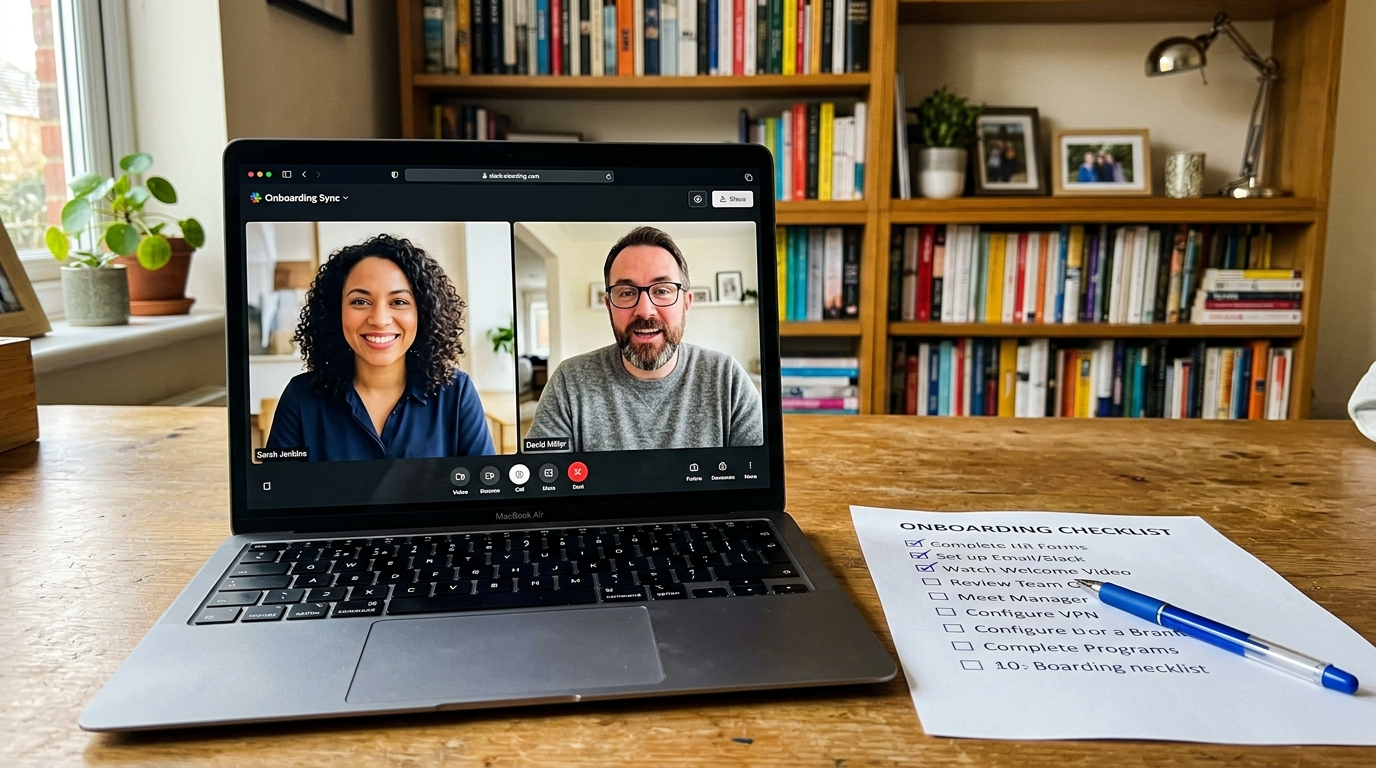
A smooth onboarding process is critical for setting up your external partner for success. It’s about knowledge transfer, systems setup, and aligning on expectations.
A good onboarding checklist includes:
Defining clear roles and communication protocols (like weekly syncs).
Providing access to your CRM, sales tools, and brand assets.
Sharing a detailed ICP and any existing messaging that works.
Agreeing on KPIs and a reporting schedule.
With a structured onboarding, a good partner can start delivering initial results in as little as four to eight weeks. Invest the time upfront to equip, educate, and engage your partner. This front loaded effort pays off in better performance and a stronger ROI.
The Importance of Data Enrichment and Verification
You can’t have successful outbound without high quality data. Data enrichment adds missing information to your prospect lists, while verification confirms that contact details are accurate. This is crucial because B2B contact data decays at a rate of about 22.5% per year.
Bad data has a real cost. U.S. businesses lose an estimated $3.1 trillion annually due to poor data quality. On the other hand, clean data drives results. Marketers using ZoomInfo signals and data improved lead-to-opportunity conversion rates by 28%. 546 hours a year per full-time inside sales rep is wasted due to inaccurate B2B contact data, so investing in clean data from the start frees them up to do what they do best, which is selling.
Staying GDPR Compliant with Outbound
If you’re reaching out to prospects in Europe, you must comply with the General Data Protection Regulation (GDPR). Violations can result in massive fines, up to 4% of your company’s global annual revenue.
For B2B cold outreach, the legal basis is typically “legitimate interest”. This means you have a valid business reason to contact a professional at their work address about a relevant solution. To remain compliant, you must:
Only contact professional email addresses.
Provide a clear and easy way to opt out in every email.
Document your rationale for contacting each person.
Honor requests for data removal.
Working with a founder-led outbound partner who understands these regulations is essential to avoid risk and build trust with prospects globally.
Reply Rate and Meeting Rate Benchmarks
Knowing industry benchmarks helps you gauge the effectiveness of your outreach.
Reply Rate: The average cold email reply rate is around 3.4%. However, this varies by industry. Outreach to HR and recruiting roles can see reply rates of 8% to 9%, while other sectors are lower.
Meeting Rate: A solid meeting rate for cold outbound is 1% to 2% of total contacts messaged. This often means converting about 25% of your positive replies into booked meetings.
If your reply rate is below 3% or your meeting rate is under 1%, it’s a sign that you need to troubleshoot your targeting, messaging, or deliverability. The goal is to continuously test and optimize to beat the averages.
The Handoff Playbook: From Founder to Partner
A handoff playbook is a documented plan for transitioning sales responsibilities from the founder to a partner or new hire. It captures the “secret sauce” of what made the founder successful and turns it into a repeatable process. The goal is to transform intuition into a structured, teachable system.
A great playbook includes a detailed ICP, messaging scripts, common objection handling, and a map of the sales process. Before the founder can step back, they need to have closed enough deals (e.g., 10 or more) to truly understand what drives results. The ultimate test is whether sales would continue if the founder disappeared for a month. A solid playbook ensures the answer is yes. This is where an experienced founder-led outbound partner can be invaluable, helping you document your process and build a scalable engine.
Fractional SDR/AE vs. an Agency
When you need to augment your sales efforts, you can hire a fractional professional or engage an agency.
A Fractional SDR or AE is an experienced individual you hire on a part time contract. They integrate closely with your team and bring deep expertise without the cost of a full time employee. They are often self directed and can help refine your strategy.
An Agency provides a team of people to run your outbound campaigns. They are great for scaling volume quickly and handle the day to day management of the reps.
If you want a hands on, embedded expert who feels like part of your team, a fractional partner is a great choice. If you just need to execute a defined strategy at scale, an agency can be a good fit. Services like SalesPipe offer a unique blend, providing the strategic expertise of a senior fractional operator combined with hands on execution.
AI-Assisted Outbound Personalization
Personalization is critical, but it’s also time consuming. AI assisted personalization uses tools to tailor your outreach at scale. With up to 90% of sales emails lacking any real personalization, this is a massive opportunity to stand out.
AI tools can scan a prospect’s LinkedIn profile or company news to suggest a custom opening line for your email. This blend of AI efficiency and human oversight can triple a rep’s productivity. Properly personalized emails can boost transaction rates by as much as 600% compared to generic sends. AI isn’t about removing the human element; it’s about enhancing it, freeing up salespeople to focus on building relationships.
International Coverage and Localization
If your market is global, a one size fits all outbound strategy won’t work. Localization means adapting your outreach to different languages, cultures, and business norms. Prospects are far more likely to engage when you communicate in their native language.
Beyond language, localization involves respecting cultural nuances, local holidays, and business etiquette. Time zones are also critical. Segmenting your email sends by the recipient’s time zone can boost open rates by 16%. A founder-led outbound partner with international experience can help you navigate different markets effectively, ensuring your message resonates no matter where your prospects are located.
Your Go-To-Market Enablement Checklist
A go to market (GTM) enablement checklist ensures your sales team has everything it needs to succeed. It’s your pre flight check before launching or scaling your outbound motion.
Key items on the checklist include:
Validating your ICP and value proposition.
Creating messaging and content collateral (one pagers, case studies).
Setting up your sales enablement tools , CRM, and data.
Defining and tracking KPIs with dashboards.
Training your team (or partner) on the product and sales process.
Establishing a feedback loop for continuous improvement.
Organizations with strong sales enablement see win rates that are 6% to 13% higher than their peers. Being fully prepared prevents costly mistakes and sets your team up for a successful launch. If you need help getting GTM ready, working with an expert outbound operator can ensure all your bases are covered.
Want pipeline instead of theory? SalesPipe is founder-led outbound run by Rob Whitley. Targeting, messaging, and execution are handled directly, with no junior SDRs in between. Tell us what you're building and we'll map out the outbound motion that fits.